What does public media need to become to remain relevant and sustainable through the rest of this decade? Five leaders from across the field share their thinking on where the system is headed and what it will take to get there, covering everything from audience strategy and membership models to organizational culture and the role of local stations in a shifting media landscape.
Innovate with Current: Visions for Public Media’s Future
January 16, 2025
Full Transcript
[Chad Davis] 12:02:27
So again, hi, everyone. And Happy New Year. I’m Chad Davis. I’m the Chief Innovation Officer at Nebraska Public Media and Chair of the Public Media Innovators peer learning community with NETA. So quick shout out to NETA for their support of all of the work that we do to try to bring
[Chad Davis] 12:02:46
The innovative content and content about innovation to you guys. And we have what I would call an interesting experiment today. Typically, when we do these webinars, it’s toys and tools and best practices. But what we wanted to do to kick off the new year was something a little more big picture, something a little more focused on vision and just
[Chad Davis] 12:03:06
Try that out because the sense that we get from talking to folks is that there’s kind of a hunger for different takes on where public media is going. And so this idea actually was born In late summer, it was August, I think. But I think it’s now more relevant than ever. And so with this one, we are going to hopefully inspire you wherever you are on the org chart, whether you’re a GM or you’re just starting out or you’re middle management or you’re running education or you’re
[Chad Davis] 12:03:36
Content producer. I’m hoping that there is something in here that is going to inspire your own vision for where public media needs to go over the course of the next five to 10 years. We need more visionaries. And so this is designed to kind of jumpstart that. So again, thanks to NETA. Thanks to my colleagues, Amber Samdahl and David Huppert, who, who
[Chad Davis] 12:03:58
Without them and their support, we couldn’t get this stuff together and out the door. And so I’m going to hand it off to Mike Janssen from Current, who is going to take the lead. And I’m going to be in the chat talking with you all as we go.
[Mike Janssen] 12:04:12
All right. Thank you, Chad. So yes, I’m Mike Janssen. I’m a digital editor with Current.
[Chad Davis] 12:04:13
Mike?
[Mike Janssen] 12:04:17
And it’s great to be with you today. I have been preparing for this. I’ve had some wonderful, far reaching conversations with our panelists. I can tell you that they are all extremely smart and forward thinking.
[Mike Janssen] 12:04:27
You’re going to come away with some inspiring ideas about how public media can move forward to tackle the challenges it’s facing. And these are some serious challenges. I mean, for one thing, we could be heading towards a battle to preserve federal funding for the system, as I’m sure a lot of you are thinking about.
[Mike Janssen] 12:04:41
But beyond that, even, we’re seeing struggles with fundraising, audience trends. And so I think this is really a moment when we need to hear some fresh ideas. So I’m briefly going to introduce our guests now, but I’ll tell you more about them as we move through the webinar. Today, we’re joined by Steve Bass. He’s former president and CEO of Oregon Public Broadcasting.
[Mike Janssen] 12:05:02
Natalie Hill, Chief Audience Officer at KCRW in Los Angeles. Amanda Mountain, President and CEO of Rocky Mountain PBS. I’m sorry, Rocky Mountain Public Media in Denver.
[Mike Janssen] 12:05:14
Kristen Moeller, former chief content officer at LAIST in Los Angeles.
[Mike Janssen] 12:05:18
And Tom Davidson, the Bellisario Professor of Practice in Media Entrepreneurship at Penn State University.
[Mike Janssen] 12:05:25
So I’m going to talk with each of them for a little bit, and then we’re going to open up the conversation among everybody and take your questions as well. If you have any questions, please drop them in the chat and we will try to get to them.
[Mike Janssen] 12:05:35
And Steve, I’d like to start with you. A little more about Steve. Before retiring from OPB, he worked in public media for 44 years.
[Mike Janssen] 12:05:43
Starting at WHA in Madison, now the flagship of Wisconsin Public Television He also held management and executive roles at PBS, WGBH, WGBY, and Nashville Public Television.
[Mike Janssen] 12:05:55
So Steve, as I’m
[Steve Bass] 12:05:55
Yeah, and I think you said you said fresh ideas and I’m the oldest one on this webinar. So I don’t know what that means, but we’ll see.
[Mike Janssen] 12:06:02
All right. Well, hopefully you’ll do your best, right? So I’m confident. So as I mentioned in the intro, we’re looking at a potential fight for federal funding.
[Mike Janssen] 12:06:10
And one thing you and I discussed is that you think that because of the challenges public media is facing.
[Mike Janssen] 12:06:16
You worry that we might end up winning the battle for federal funding but lose the war. What do you mean by that?
[Steve Bass] 12:06:23
Well. What I mean by that is that federal funding It is very important to the public media ecosystem around the country is not the only problem we have. We are dealing with at the present, a vast change in the media ecosystem.
[Steve Bass] 12:06:42
So, you know, let me go back to my founding, my early days in public media when I started at WHA in Madison, Wisconsin, there was no cable television. There were four TV channels.
[Steve Bass] 12:06:54
There was not much competition. I was there when the first VCRs came out. Cable television kind of was on the rise.
[Steve Bass] 12:07:03
All of that looked revolutionary at the time. And now we’re dealing with this thing called the internet. And I oftentimes think of a New Yorker cartoon that I absolutely love of these people sitting around a table And the caption is, we’re going to need to reconsider our strategy of hoping the internet will go away.
[Steve Bass] 12:07:24
So we are facing an unprecedented change in the way people consume content, an unprecedented way in the way they create content and the way they interact with each other.
[Steve Bass] 12:07:36
We are adapting to that, but my concern is that we are not adapting as quickly as we need to. We are still very much in the linear broadcasting world, which I would say we still need to be. We need a foot in there.
[Steve Bass] 12:07:52
But the future is in this whole other world. What I worry about is that as we get into a potential federal funding fight is that 100% of our focus and energy will go there.
[Steve Bass] 12:08:04
And my sense is that even if we come out of that unscathed or even if like, let’s say we got a 10% increase in funding out of some miracle.
[Steve Bass] 12:08:14
It’s not enough to change the trajectory. We need to be doing the fundamental reordering and rethinking of the business. And what I worry about is the distraction value of a federal funding fight at this particular point in time.
[Steve Bass] 12:08:27
It’s not to say we don’t need to pay attention to it, but I think we’re going to have to take a pretty balanced approach and be thinking about How do we evolve?
[Steve Bass] 12:08:36
Beyond that. I think that’s going to be critically important.
[Mike Janssen] 12:08:41
You wrote a piece for Current that we published last year. It was kind of your parting advice to the system as you were leaving OPB, and you really broke down this issue in a variety of ways.
[Mike Janssen] 12:08:51
One thing you said that I think really stood out, you said, let go of the idea that PBS, NPR, CPB, or any other entity is our savior.
[Mike Janssen] 12:09:00
Why is that necessary?
[Steve Bass] 12:09:01
Yeah. Well, I think, you know, kind of related to what I said before about a reordering of the media is that my theory is that public media is going much more back to its roots. And if we think about where it started, it started mostly on college campuses, Madison, Wisconsin, Corvallis, Oregon, Columbus, Ohio as this system of disaggregated local radio stations that had to pretty much fend for themselves.
[Steve Bass] 12:09:32
And it wasn’t until the late 60s that it really kind of became this national institution and PBS and NPR became brand names and, you know.
[Steve Bass] 12:09:43
The thing that drove the whole ecosystem. All of us at local organizations, I hate the word station and I won’t use it if I can avoid it.
[Steve Bass] 12:09:55
Really kind of focused on the distribution of national content as being the way we served audiences.
[Steve Bass] 12:10:02
That’s the part of the business now that is really, really challenged. And I think that the future for public media is probably a bit more like it’s past when we are really focused on local communities in terms of original content creation, convening
[Steve Bass] 12:10:22
Community engagement, all of those things, because I honestly don’t see a future five or 10 years from now where broadcasting British dramas is going to have the impact that it had today or 10 or 15 years ago, I think we are heading in an entirely different direction.
[Mike Janssen] 12:10:39
So say looking five, 10 years ahead, how do you envision the relationship between stations sorry i said station stations and PBS and NPR are changing in the coming years.
[Steve Bass] 12:10:51
Um… I don’t know the answer to that, Mike. I mean, I think that Public radio has more opportunities because I think the partnership, particularly in news between local organizations and NPR There’s been more shared content and shared mission there.
[Steve Bass] 12:11:12
So I think something will evolve from that. I think there are going to be some challenges in terms of the overall business model. And is it a membership organization? Who knows?
[Steve Bass] 12:11:23
The PBS relationship, I’m not sure about because that’s much less robust. It really, the relationship is mostly kind of PBS distributes programs local organizations broadcast them there isn’t a heck of a lot more to that relationship. So I really can’t predict that. I kind of wonder if we’ll start to just kind of go our separate ways. I’ve kind of wondered the same thing with public radio.
[Steve Bass] 12:11:51
Often thought, what would OPB do if the New York Times called us up tomorrow and said, we want to develop a robust local partnership with you? I mean, when I was running OPB, I certainly would have taken the phone call.
[Steve Bass] 12:12:04
To explore that. So I think things could evolve in all sorts of interesting ways. But I think from the local perspective.
[Steve Bass] 12:12:13
To be open to different kinds of partnerships and not look at it as being, well, if you work with somebody other than PBS or NPR, you are quote unquote disloyal.
[Steve Bass] 12:12:22
You’re really going to have to be the master of your own fate and approach the future that way.
[Mike Janssen] 12:12:28
All right. Well, we’re going to turn now to Natalie Hill, who is Chief Audience Officer at KCRW. And KCRW has really been doing some fascinating stuff on the local level. So I think it’s a good bridge here to talk with Natalie. Natalie leads audience growth and engagement, including marketing, communications, newsletters, social events
[Mike Janssen] 12:12:46
Art and branding and membership. Previous to KCRW, she was the VP Strategy and Content Marketing at Giant Spoon, which is an award-winning ad agency in Los Angeles and New York.
[Mike Janssen] 12:12:57
Where her strategic leadership centered around modernizing legacy brands. So she comes to public media with Knowing a thing or two about working with legacy brands, which is certainly a boat that we’re in right now.
[Mike Janssen] 12:13:08
So Natalie When we spoke before this in preparation, you told me something that I thought really stuck with me.
[Mike Janssen] 12:13:16
People don’t want relationships with brands. They want relationships with people.
[Mike Janssen] 12:13:20
And we talked about how public media really needs to adapt to that. What do you think needs to happen in that regard in the system?
[Nathalie Hill] 12:13:27
Yeah, I mean, I will first say Steve said he was the oldest, probably the youngest on this panel. And I agree with everything he said.
[Nathalie Hill] 12:13:35
We are in the business of impacting people and so While I wouldn’t say no to federal money, I’m not, I don’t know, I’m optimistic. I think that we’ve always, you know.
[Nathalie Hill] 12:13:47
Our ultimate KPI has always been membership. And at the end of the day, it comes down to relationships. And so for us.
[Nathalie Hill] 12:13:53
If we hear why people are members, why people love us, they say, you know, KCRW is my first friend in L.A, for the community and the heart of Los Angeles, where their hearts balm in troubled times. Like it’s all about the relationships that our people, whether they’re
[Nathalie Hill] 12:14:10
Listening to them on the radio or following them on social. It’s about being a trusted friend and a trusted community leader.
[Nathalie Hill] 12:14:20
And so for us, I think we need to remind ourselves that we aren’t a broadcaster, we’re a community and communities are based on people that you want to be around so Are we people that people want to be around? Does that mean we can’t be boring. We can’t feed people stuff just because we think that it’s important.
[Nathalie Hill] 12:14:44
I also think that we need to be personality driven, which means we need personalities And so something that we’ve been thinking a lot about is how do we position our hosts and our talent, not just as, you know.
[Nathalie Hill] 12:15:00
People that you have to listen to. But as community leaders.
[Nathalie Hill] 12:15:05
When we think about things like our newsletters, they’re personality driven with clear utility. We feature hosts and social content and we have them active in the comments section. They’re real people. And we create in real life opportunities to hang out with us.
[Nathalie Hill] 12:15:23
And then I’d say the second thing is also Look for new talent, and they may not be journalists, which is something that I think we always tend to tap the same well of talent. And we’ve experimented a bit with
[Nathalie Hill] 12:15:37
Looking outside of the public media walls and finding people who are interesting and magnetic And so, you know, one thing that we did was there is this Social content creator Catherine Ellis. And she did like NPR voice. She did like impersonations of NPR. It was hilarious. And so we just reached out to her and said like, hey, would you want to do something with us? It was very experimental. We did a cloud post.
[Nathalie Hill] 12:16:06
And the comment section went off and they’re like, this is so awesome. This is so great.
[Nathalie Hill] 12:16:10
And so we decided to have a whole series with her called Important Things of Great Importance. And she was a fictional satirical news host named Concordia Sharma McGraw.
[Nathalie Hill] 12:16:23
And what we saw was that the audience, it wasn’t just so different from us, but there are people that would have liked us, but we just hadn’t reached out to them in a way That was fun for them. And then we started experimenting with her doing pledge drive videos. And we’re like, what would you actually want to say?
[Nathalie Hill] 12:16:45
If you are on air. And we had people in the comment section saying like, this is the first pledge message that actually spoke to me. And so we just got to have more fun. We’ve got to put people out there that are interesting and magnetic and charismatic that have a strong point of view. And we have to build those relationships between our community or collective of KCRW and the people that we’re talking to and so
[Nathalie Hill] 12:17:11
I think to me, we always just think about how are we building direct relationships? How are we showing up as humans and making it really, really easy to connect with us in whatever way that they want to.
[Mike Janssen] 12:17:23
You told me that when you’ve gone to conferences in the system, you’ve heard from colleagues at smaller stations that they can’t do what KCRW does because their team is so much smaller than yours.
[Mike Janssen] 12:17:33
And what do you recommend for smaller organizations that are looking to adapt to these new trends?
[Nathalie Hill] 12:17:39
Yeah, I don’t think you have to do a million things. I think figure out Who among your talent or, I mean, it might just be an employee who’s interesting, who tells a good story, and experiment. Just start trying in small ways. You don’t have to be on every single platform. But I think that there’s ways where you can really put personality first.
[Nathalie Hill] 12:18:05
Whether it’s showcasing the hosts and social content or just getting talent to start commenting in the comment section and building that behavior with your audience.
[Nathalie Hill] 12:18:17
You know, everybody has newsletters now. I think it’s really easy for people to You know, it just… have an AI aggregator put those things together and put them out. But if you’re saying like, hey, no, we were a community and we want to be human first and people first, like have a personality who has a point of view, who’s writing those things and write your emails as if you’re writing to a friend.
[Nathalie Hill] 12:18:42
But I don’t think that it’s like huge amounts of production I think it’s starting really small and just saying, how would we do this if we were a friend, if we were a trusted friend, how would I actually write this? How would I post this on social?
[Nathalie Hill] 12:18:58
And I would say look to inspiration outside of our industry.
[Nathalie Hill] 12:19:03
Like I get so inspired by sub stacks that I follow, people like Hunter Harris’s Hung Up or Emily Sundberg’s Feed Me. They’re personality forward, but they’re smart, they have expertise, they have a point of view.
[Nathalie Hill] 12:19:19
And they’re freaking fun to read. And they’ve all create their own little media empires where They’re so fun. There’s a community chat. They have in real life events. And you just feel like you’re actually a part of like-minded people. And I think there’s a lot that we can
[Nathalie Hill] 12:19:38
Take from individuals who’ve done this on their own and figure out, okay.
[Nathalie Hill] 12:19:42
Are we getting in our own way by saying like, oh, God, we got to get like super expensive equipment and we need a whole team that can create all this content for us.
[Nathalie Hill] 12:19:53
Start small. Figure out who your people are. Figure out how you want to build those direct relationships and putting people first.
[Mike Janssen] 12:20:00
Yeah, I really liked how you refer to it as the Mount Rushmore. Who are the people that are on your Mount Rushmore of your organization, the faces that people will connect with and recognize?
[Mike Janssen] 12:20:09
Well, thank you. And we’ll come back to you for more later. Let’s move on to Amanda Mountain.
[Mike Janssen] 12:20:14
And Rocky Mountain Public Media is another example of an institution in the system that is connecting with people in new and exciting ways.
[Mike Janssen] 12:20:23
Amanda has been president and CEO of Rocky Mountain Public Media since 2017.
[Mike Janssen] 12:20:27
She was previously the station’s president and chief operating officer as well as executive vice president and chief development and marketing officer.
[Mike Janssen] 12:20:35
Amanda, so when we spoke before this webinar, you told me that Rocky Mountain Public Media is trying to redefine membership.
[Mike Janssen] 12:20:40
You said you think that the way public media defines membership is flawed and it’s limiting growth. It’s leaving a revenue opportunity on the table.
[Mike Janssen] 12:20:48
What is wrong with how public media is approaching membership and how does that need to change in your opinion?
[Amanda Mountain] 12:20:53
Yeah, I’m really glad I get to go after Natalie because I’m inspired by all that she’s sharing and I’m going to really continue the conversation around framing our work as a relationship business.
[Amanda Mountain] 12:21:07
That is the business that we’re in. Yes, we deploy media to specifically address needs and desires of our community. But first and foremost, if we’re about trust, which we are, we are about relationships. And so how do we connect
[Amanda Mountain] 12:21:21
That desire with the way that we do business on a day to day and especially with how we make money and ensure that our work is sustainable and can continue to grow to meet the needs of our community that are increasing exponentially as market failures are spreading.
[Amanda Mountain] 12:21:39
And so at Rocky Mountain Public Media, we are experimenting with something we’re calling the friendship business model. And it’s really starting with identifying Who are our core audiences and who are our growth audiences by each brand? Because like Natalie said, like if we really want to be
[Amanda Mountain] 12:22:02
Fun and connecting with emerging audiences in a way that we have traditionally been able to do over time with our core audiences, we need to recognize that we need a lot of different brands. We need a trusted bundle of things that we are offering people that they can come to and kind of curate their own their own bundle. And so we have a lot of different brands at Rocky Mountain Public Media from a hip hop R&B radio station to a kids product to our capital J journalism.
[Amanda Mountain] 12:22:33
And so for each of those brands, we look at who are the core audiences, who are the emerging audiences, how can we get to know them through empathy interviews? And then how can we build distinct journeys for them that connect with the way that we raise money. And right now, membership, public media membership is just fundamentally flawed in the
[Amanda Mountain] 12:22:55
Way that we execute it. People are only members if they give in a very certain way. If people buy a ticket to an event, in most public media organizations, they are not considered a member. If people buy a t-shirt and a pledge drive.
[Amanda Mountain] 12:23:11
Oftentimes, a lot of public media organizations are kind of discounting those members as transactional members. So we’re quantifying people in putting them into boxes that are limiting not just the revenue potential, but limiting our ability to really build relationships. And we’re doing that now with our core audiences, which means we don’t even have the capability of building relationships with emerging audiences in our organizations. We don’t have the tools, we don’t have the processes to connect what we want to do with what we’re actually doing.
[Amanda Mountain] 12:23:48
So building these distinct audience journeys and then connecting them to processes, whether it is acknowledging people are in different platforms consuming our content and we want to connect them back into our environment, our own environment.
[Amanda Mountain] 12:24:05
To monetize that relationship to the extent possible or give people a chance to invest in our work.
[Amanda Mountain] 12:24:11
That’s a part of it. But there’s a much, much larger part about how do we manage change in our organizations and in our industries? And so for us, it has traditionally meant you have to have parallel tracks. You have to have your membership director who is protecting your membership and working to grow existing revenue.
[Amanda Mountain] 12:24:32
But we also have a friendship director who works alongside that membership director and he can take a lot more risks and he’s experimenting a lot faster and he’s making a lot of new friends by working across the organization to connect the dots in a different way. And through that, we’ve actually been able to make about a million friends in the state of Colorado, about 5% of our total population are actively engaged in some type of relationship with us, which means they’ve shared their contact information. They are engaging in content, they’re clicking through our newsletters or
[Amanda Mountain] 12:25:11
They’re watching through a video on YouTube. And then that has led to when there’s a focus on friendship as opposed to predominantly only active donors.
[Amanda Mountain] 12:25:22
It just opens up this entire universe of abundance and this entire universe of friends that are more reflective of the diversity of our communities and the potential of the opportunity we have when we talk about impact and growth.
[Amanda Mountain] 12:25:37
And so that, you know, increasing our number of friends has led to an increased number of members and an increase in revenue. We’re the largest membership organization in the state with about 100,000 investors. And then we’ve increased our operating revenue 65% over the last five years since we started this work.
[Amanda Mountain] 12:25:57
So I think like most things, it starts with where are you centering the job to be done and centering it with friendship as opposed to only current active donors is an important starting place.
[Mike Janssen] 12:26:12
You noted that emerging audiences want to support public media, but in ways that differ from the core audience. What does that look like and how does public media need to address that difference?
[Amanda Mountain] 12:26:22
Yeah, so we looked at the commonalities. So Natalie, you talked a little bit about this. Like there are common values that are big enough and powerful to be the biggest possible tent. Lots of different types of audiences can feel welcome in that tent because it’s the shared values that are inviting people in.
[Amanda Mountain] 12:26:45
And so we did a lot of research really understanding what are those shared values and making sure that we’re identifying them in the way that creates the most growth opportunity.
[Amanda Mountain] 12:26:57
And then we looked at a model. In this case, it was the stages of belonging. So we’re reinventing public media membership through the lens of belonging.
[Amanda Mountain] 12:27:09
And there are distinct stages psychologically that apply to growth and core audiences.
[Amanda Mountain] 12:27:15
And so we’re aligning the operations of our organization with our ability to walk alongside people through the stages of belonging.
[Amanda Mountain] 12:27:25
Whether it’s virtually on digital platforms in the way that we’re sharing content and bringing people back in, whether it’s in real life events or meetups or how we’re working with influencers, like there’s a lot of different ways to do this. There’s no one right way. And then it also just broadens our view beyond capital J journalism as the only way we can meet people’s needs.
[Amanda Mountain] 12:27:49
If the problem to be solved is isolation and absence of feeling like you belong to a bigger community, the absence of a trusted place where you can be yourself and be welcome and get information from people you trust because you’re in real relationship. You’re not just in this transactional exchange.
[Amanda Mountain] 12:28:10
That is the problem to be solved. So framing the the right questions has been really fun.
[Mike Janssen] 12:28:18
That’s great and really inspiring. Thank you. Let’s move on to Kristen and we’ll hear more from you later, I’m sure. Kristen Muller is the former chief content officer at LAS in Los Angeles.
[Mike Janssen] 12:28:28
She was in that role for seven years until leaving last year. She was also a program director and managing editor, and senior producer at the station.
[Mike Janssen] 12:28:35
Before joining LAS, she worked for CBS News. She’s currently consulting, coaching the digital transformation program offered by CPB and the Poynter Institute, and she’s working with PBS SoCal on local content strategy.
[Mike Janssen] 12:28:46
So Kristen, you wrote a Neiman Lab prediction that was published last month, and you’ve actually written quite a few Niemann Lab predictions by By this time. And then the most recent one, you said and you called it prescription, not a prediction, that public media needs a modern day equivalent of the Carnegie Commission on Educational Television.
[Mike Janssen] 12:29:04
Which in 1967, for people who might not know, issued a report on the future of public TV that became a blueprint for the system.
[Mike Janssen] 12:29:10
Why do you think that’s needed today and what would it look like to do that?
[Mike Janssen] 12:29:17
I think you’re muted. There you go. All right.
[Kristen Muller] 12:29:18
All right. Yeah, I took my self off. Sorry. Thanks, Mike. And also thanks to all the other comments from Steve, Natalie, and Amanda that’s really, really thoughtful. I’m learning a lot.
[Kristen Muller] 12:29:32
So I’m going to jump out and get a little meta. I think part of the challenge in transforming an organization is that you often start from where you are.
[Kristen Muller] 12:29:43
Versus figuring out where you need to be and working backwards.
[Kristen Muller] 12:29:48
And I think that i think we’re in this position now where the were the incentives to change are really not just like sentimental, they’re revenue driven. Like we’re seeing declines in audience. We’re seeing job losses So that level of dissatisfaction and the need for change is going up.
[Kristen Muller] 12:30:08
But the changes in the media landscape are happening so quickly. The pace of change is so fast.
[Kristen Muller] 12:30:14
That your culture has to be incredibly nimble and audience centric to keep up with that kind of pace of change.
[Kristen Muller] 12:30:21
And just building that kind of culture takes years. I worry that if we all say start today, we’re going to do X, Y, and Z and do this By the time we get to where we think success is, the goalposts will have moved again.
[Kristen Muller] 12:30:39
So maybe it’s time to step back. And think about why we are here and what the founders envisioned.
[Kristen Muller] 12:30:48
And when you read that document, which is, you know, what, 60 years old or so.
[Kristen Muller] 12:30:53
You realize that like that They were responding to an advent in technology, which was broadcasting.
[Kristen Muller] 12:31:02
They realize that the civic good, that there was a civic good that was at risk with the advent of television And that the players in the commercial space, the NBCs, the CBS, were not incentivized to fill that space. They were in it for the bottom line.
[Kristen Muller] 12:31:20
And when I stepped back and thought about that, I was like, gee, that sounds super familiar.
[Kristen Muller] 12:31:25
Is Facebook in it to increase the civic health or are they in it for the bottom line?
[Kristen Muller] 12:31:30
Is open AI in it for civic health? And so the question now is how do we respond not just to the internet, but what we’re about to see unfold with generative AI.
[Kristen Muller] 12:31:43
And I think if we could maybe talk about what media needs to be or what a public service needs to be, maybe it’s not even content because as Natalie pointed out.
[Kristen Muller] 12:31:53
The need for intermediaries between content producers and audience is pretty much going away.
[Kristen Muller] 12:31:59
So like what if we’re intermediaries, how do we hold on to that role? Should we hold on to that role?
[Kristen Muller] 12:32:05
And if we’re not. What are we about? How do we help people make sense of the world in their digital communities? How do we help adapt technology and data that’s being harvested from all of us to advance more of a public service, a more of a civic good
[Kristen Muller] 12:32:24
And I don’t know what the answers to that are or who would be on a commission like that.
[Kristen Muller] 12:32:29
But I think we have to kind of take the politics out of it and understand it as a business opportunity. And there are a lot of people, including Catherine Marr, who has been super active in civic technology conversations, is a leader in that field.
[Kristen Muller] 12:32:48
And I think there’s a conversation to be had about not what do we want to be five years from now.
[Kristen Muller] 12:32:54
But what do we want to be 30 years from now?
[Kristen Muller] 12:32:58
And let’s start there and work our way backwards. So who would be on a Carnegie Commission today? I have no idea. I know who wouldn’t be on it. It wouldn’t be Mark Zuckerberg.
[Kristen Muller] 12:33:07
Wouldn’t be Elon Musk. I don’t know. I mean, I think there are people really active in technology who do understand the need for a public good that lies outside of their products.
[Kristen Muller] 12:33:19
And again, I don’t know that it’s… possible in this day and age.
[Kristen Muller] 12:33:26
But I think that’s how we have to approach the problem.
[Mike Janssen] 12:33:30
Yeah. Related to that, something you mentioned to me, a shortcoming you see in the system is that there are we’re Pauline is not very good at structuring and formalizing places for sharing learning.
[Mike Janssen] 12:33:42
Around innovation. What’s the need there and how could public media do better?
[Kristen Muller] 12:33:49
That’s a good question. Someone noted in the thread earlier, Steve and I, you know, there is, and I think I’ve heard Abby Goldstein say this a lot before too, like there is an incredible amount of innovation happening at the local level, as we’re seeing here.
[Kristen Muller] 12:34:03
And that’s there are these kind of informal communities of practice, I think, like, you know, maybe I huddle with Ethan Lindsey from KQED every once in a while. We share notes, but there’s no real structure around accelerating some learnings, whether it’s through the KQED experiment with Discord
[Kristen Muller] 12:34:24
Or, you know, I believe that LAIST is going to potentially do some experimenting with a mutual aid product. So like there are things that are out there what the North Carolina stations did with the hurricane. You know, there are learnings there. And I’ve been on the phone over the last week, like.
[Kristen Muller] 12:34:42
Calling Honolulu Public Radio, you know, trying to figure out like, what did you guys do that worked? But it’s like me doing that one-on-one typing a note out, sharing it with other people like could we somehow focus not just on like
[Kristen Muller] 12:34:57
Content that’s working, but audience, like how are we reaching new audiences and putting them into some kind of membership funnel or revenue position to grow not just audience, but to grow revenue. And I think This is why I’m part of the digital transformation program that’s being run through CPB and Pointer because I think that’s the mindset that it’s trying to encourage
[Kristen Muller] 12:35:18
That information sharing and you know um and learnings that sharing learnings as you go along but I think there’s more that could be done there. I don’t know. I don’t know that it’s NPR that leads it, to be honest with you.
[Mike Janssen] 12:35:33
Mm-hmm.
[Kristen Muller] 12:35:34
Srg plays a role. Abby’s organization plays a role, but I think there’s um there’s maybe something more to do there.
[Mike Janssen] 12:35:43
Yeah, yeah. All right. Well, moving on to someone who is keeping an eye on these innovations happening in the system. Tom Davidson is the Bellisario Professor of Practice in Media Entrepreneurship at Penn State University.
[Mike Janssen] 12:35:54
He’s been a reporter and editor of Business Side General Manager, and a product development executive at Tribune Company, Gannett, and PBS. And when he was at PBS, he led the team that built Passport.
[Mike Janssen] 12:36:05
He’s previously taught nonprofit leadership, media entrepreneurship, and product development at the University of Maryland at an American University in Washington, D.C.
[Mike Janssen] 12:36:12
He’s also been writing pieces about public media for editor and publisher and not current.
[Mike Janssen] 12:36:17
But we like him anyway. Tom, what stands out for you and what you’ve heard so far in this conversation?
[Tom Davidson] 12:36:23
There are several threads that I really like here, Mike. So much of what Steve and Natalie and Amanda talk about in particular boils down to something an old boss of mine once said, what’s our unique local value?
[Tom Davidson] 12:36:39
What do we provide to our communities, plural, that nobody else can do or nobody else can do as well as we do?
[Tom Davidson] 12:36:47
And I think that starts to get at some of the conversation I’ve seen over in the chat box.
[Tom Davidson] 12:36:53
About, well, you know, what is our relationship with NPR? How do we fill all these hours a day?
[Tom Davidson] 12:36:59
Thinking about purely being a broadcast service. What do I put on at 3 o’clock on weekdays misses the point of, well.
[Tom Davidson] 12:37:09
Our communities want and need us to do things. Sometimes just connect them with each other.
[Tom Davidson] 12:37:14
Sometimes convene conversations that nobody else can be sort of the trusted independent mediary for.
[Tom Davidson] 12:37:21
And I’ve really liked that thread through a lot of the discussion.
[Tom Davidson] 12:37:24
I’ve also liked the use of the word audiences plural by several people here.
[Tom Davidson] 12:37:32
We get so used in legacy media to talking about the audience as if it is this monolithic singular thing.
[Tom Davidson] 12:37:42
Digital transformation, digital technologies, these damn things shatter that notion completely. And audiences are very much a one to a few relationship business now.
[Tom Davidson] 12:37:54
And we as a system need to get better at using exploiting that.
[Tom Davidson] 12:37:59
Now let me flip things around and talk about what I’ve heard that is kind of not all the kumbaya stuff that we could do.
[Tom Davidson] 12:38:07
The things that scare the hell out of me, and Steve touched on this a lot is We win the federal funding fight, that’s fine. There are still stations in the system that’ll be dead in three years.
[Tom Davidson] 12:38:18
Because our audience numbers are truly stark and declining. And this criticism is not aimed on anybody on this webinar. Certainly not my other panelists. I’ve been scrolling through the names over here on the right. I see a lot of friends. I see a lot of smart people.
[Tom Davidson] 12:38:37
This message is really aimed at the people who didn’t bother to show up here.
[Tom Davidson] 12:38:42
If we don’t deal with our aging demographics of the broadcast audience.
[Tom Davidson] 12:38:47
We collectively as a system are toast. There was data that there was data was generated by CPB during the financial crisis that basically boiled down to If we lose.
[Tom Davidson] 12:39:01
The wrong 10 systems in the public television system, or if we lose roughly 30% of the system, no matter where they are, we get below minimum effective scale and the whole thing collapses.
[Tom Davidson] 12:39:14
And my worry is our audiences continue to age. Is that’s going to happen to us.
[Tom Davidson] 12:39:20
And all the rueful jokes I’ve heard sitting around the bars at some of the conferences where, you know, God, the audience numbers are really getting stark and bad. And some of the Fundraisers will be out there saying, well, yeah, you know, we got a great plant giving opportunity out there as our audience starts to die off.
[Tom Davidson] 12:39:36
That’s great gallo’s humor. It doesn’t solve the problem. And I think there’s a hidden thread to a lot of what many of my peers and friends on this panel have said.
[Tom Davidson] 12:39:45
We’ve got to get better. Right now at doing at connecting all of these digital outreach and audience development efforts we have and tying them back to the fundraising model.
[Tom Davidson] 12:39:59
I’ve had GMs tell me to my face, well, there’s no way to raise money digitally.
[Tom Davidson] 12:40:04
And it’s like, really? Because some of our friends and competitors in the world of nonprofit news who use the model we invented in public media They’re growing revenue by 20, 25% a year.
[Tom Davidson] 12:40:17
Just because you don’t know how to raise money digitally doesn’t mean nobody knows how to raise money digitally.
[Tom Davidson] 12:40:23
And that starts with harvesting email addresses using those to build real relationships with people.
[Tom Davidson] 12:40:31
Building that audience development funnel that several people have talked about already.
[Tom Davidson] 12:40:35
That’s a lot of work. It’s really hard. Yes, there are people out there, particularly in the world of INN and the local independent online news publishers association But we got to get good at that stuff and we got to get good at it fast.
[Mike Janssen] 12:40:52
In one of your columns for editor and publisher, you looked to the past for some inspiration, which I thought was noteworthy. You said that public broadcasting in its earliest had an experimental spirit that we need more of today. Can you elaborate on that?
[Tom Davidson] 12:41:06
Yeah, we’ve gotten kind of fusty in our old age. I’ve heard too many people say, and Steve and I smile because he and I have talked about this before.
[Tom Davidson] 12:41:16
People sometimes will say, what would Joan Gans Cooney do? As if, you know, the Oracle of Delphi, all we need to do is put ourselves in the position of our revered elders.
[Tom Davidson] 12:41:27
And we kind of have forgotten along the way that our revered elders were nuts.
[Tom Davidson] 12:41:32
You were crazy. They did stuff that people said… You can’t do that.
[Tom Davidson] 12:41:38
I was smiling earlier when Natalie was talking about finding people out in the community, independent content creators. What did Russ Marash do at WGBH?
[Tom Davidson] 12:41:49
Oh, I’ve got a six foot four inch kind of haughty former cia operative Who knows French cooking.
[Tom Davidson] 12:41:59
Let’s put her on the air. Guys, that was Julia Child.
[Tom Davidson] 12:42:03
That was objectively crazy what he did. And yet it worked.
[Tom Davidson] 12:42:10
Where’s that spirit of adventure today? You’re seeing it with Natalie. You’re seeing it with some of the stuff that Kristen’s done. You’re seeing it with some of the stuff that Amanda does.
[Tom Davidson] 12:42:20
We need more of it. And we also need to be a little more systematic about it.
[Tom Davidson] 12:42:28
Joan Gansconi at Sesame Street. Bill Simmering at some of the stuff that he did in the early days at NPR.
[Tom Davidson] 12:42:34
Was all about building audience. And then other really smart people came behind them after that and said, how do we connect that back to the economics of what we do?
[Tom Davidson] 12:42:42
I remember when I first started watching public broadcasting in Minneapolis a long time ago.
[Tom Davidson] 12:42:48
Then KTCA, now Twin Cities PBS, their biggest fundraising effort of the year was an auction. They got donations of goods and they bid them out on the air.
[Tom Davidson] 12:43:00
And it was wonderful and it built a sense of adventure and it made a lot of money and it was too much work.
[Tom Davidson] 12:43:06
And then the VHS tape came along and all of a sudden we can sell you this three tenors at the Acropolis And that turned into the fundraising drive. We need that sort of experimentation that sort of thinking about Here’s how we have all these additional audiences that we’re reaching on digital endpoints
[Tom Davidson] 12:43:25
How do we get them in the CRM? How do we start producing different and separate messaging to them?
[Tom Davidson] 12:43:32
To build that friendship that Amanda was talking about, to build a real relationship.
[Tom Davidson] 12:43:36
So that we’re not just, hi, welcome. You want to give us money?
[Tom Davidson] 12:43:39
You know that’s that’s the idea of of offering a marriage proposal during speed dating. You know, you’re going to get a funny look if you do that.
[Tom Davidson] 12:43:47
But instead, building a relationship so three weeks or three months or even three years from now We know you like what we do.
[Tom Davidson] 12:43:56
Were able to do it because of generous supporters, people who look a lot like Can you help us out?
[Tom Davidson] 12:44:03
That’s where we need a lot more work.
[Mike Janssen] 12:44:07
All right. Well, that’s great to hear from all of you. This has been a really wonderful discussion so far. I want to make sure we have time to Got some questions from the chat and have more discussion amongst all of us. So Chad, do you want to throw us any questions from
[Mike Janssen] 12:44:20
From the chat.
[Chad Davis] 12:44:21
Yeah, no, the chat’s been amazing. It’s actually… Keep Up With, which is exactly what we want. So a couple of things I’m going to grab from early on.
[Chad Davis] 12:44:30
There was a lot of reaction to Lindsey Quisenberry’s comment. What alternatives do stations realistically have to NPR?
[Chad Davis] 12:44:38
It’s unlike the commercial market where we could move to the next guy.
[Chad Davis] 12:44:43
How can we afford creating any kind of substitute for the amount of content that comes from National. And Cassie Irwin was one of the people who kind of plus one to that in her own way.
[Chad Davis] 12:44:57
So I, yeah.
[Mike Janssen] 12:44:57
Anybody?
[Steve Bass] 12:44:59
Well, I’ll start off because I probably touched on it. I think this touches on one of the problems we have, which is that as local organizations, we are in captive vendor relationships.
[Steve Bass] 12:45:15
And it’s not always a good place to be. On the other hand.
[Steve Bass] 12:45:19
Pbs and NPR are… supposedly governed by local organizations that this These are more like farmers co-ops than they are like corporations But I would also say that the station community in many cases has allowed them to operate like distant corporations with their own aims and dreams
[Steve Bass] 12:45:40
That are separate and distinct from ours as the owners. So I think there needs to be some accountability built into the system. I’ll give you an example with NPR is, you know.
[Steve Bass] 12:45:53
Eight, 10 years ago, NPR went off chasing after gold in the podcast business. And I would say pretty well neglected the linear broadcast business.
[Steve Bass] 12:46:05
And one can say, well, that’s kind of where the world was going, but without recognizing that the broadcast audience was the lifeblood of their owners and also the place that the resources that were going to be developed to invest in the digital future we’re going to come from.
[Steve Bass] 12:46:19
So I think there are some answers to this, but I think you all need to be less satisfied with what you’re getting from national organizations. Step in more and start asking some hard questions. Because I can tell you, as I wrote in my current piece.
[Steve Bass] 12:46:35
There are a lot of people in this system that are thinking this stuff and they don’t bring it up for fear of retribution or I’m not going to get recommended for the next job.
[Steve Bass] 12:46:45
You guys need to step up because old guys like me were exiting the stage.
[Steve Bass] 12:46:49
This is yours now. Go for it.
[Tom Davidson] 12:46:53
Yeah, and Chad, if I can hop in behind that to echo Steve’s point, one of the dirty secrets passport, which has raised a ton of money for the public television system. And I am incredibly proud of the team that I got to lead and the work that they did.
[Chad Davis] 12:46:56
Go forth.
[Tom Davidson] 12:47:10
Passport would not have existed without pressure from five key stations.
[Tom Davidson] 12:47:17
Tim Olson at KQED and Alexis Rappo at WGBH really dreamed up sort of the idea and put the intellectual heft and the research behind But it was their bosses Plus Steve through his digital director at the time, Lynn Pollard, plus WNET and Twin Cities Public Television that had meetings with Paula and my then boss, Jason Sykin.
[Tom Davidson] 12:47:43
That verged on threats. You will figure out how to do this or we’re going to have to have a serious conversation at the board.
[Tom Davidson] 12:47:52
And that pressure worked. That product was treated much more seriously than it would have been otherwise. And it was because first five And then seven, and then more than a dozen station leaders kept saying.
[Tom Davidson] 12:48:07
This streaming stuff’s really important and our pledge models are going to go away.
[Tom Davidson] 12:48:11
Figure this out.
[Chad Davis] 12:48:18
Any other comments on this question? I’ll go, I’ll pull some others if no one else wants to throw down.
[Chad Davis] 12:48:27
Okay. I’m going to go in a different direction with the next one. Amanda Upson writes.
[Chad Davis] 12:48:33
Could the panelists please speak to their plans to reach disabled audiences, especially given disabled adults are the third largest market segment in the US after Black and Hispanic audiences?
[Chad Davis] 12:48:42
But discretionary income is 21 billion, which is greater than Black and Hispanic audiences combined. This one is close to my heart because with the games that we’ve been working on an interactive experiences, we quickly learned we needed to embrace the game accessibility guidelines. So it’s something that my team in Nebraska has been really focusing on
[Chad Davis] 12:49:04
From that sort of interactive and video game standpoint. But yeah, turning it over to the panel, like, does anyone want to jump in on that one?
[Steve Bass] 12:49:14
I’ll mention a project that CPB funded several years ago called Move to Include that OPB was part of.
[Steve Bass] 12:49:24
And it led to some really interesting outcomes. One of the things we did at OPB is it led us to get into, I think they call it responsive design. We were building a new website.
[Steve Bass] 12:49:35
And we went at the task at the very much focused on low vision individuals and blind individuals. And I think back to when I first got to OPB back in 2006, there was still a reading You know, one of those radio reading services going on.
[Steve Bass] 12:49:56
And the technology has changed so much these days that there are really interesting opportunities there. And if we were to redefine our notion of universal service, going back to what Kristen was saying about the new Carnegie Commission. We have baked into our DNA this
[Steve Bass] 12:50:13
Kind of mission to serve everyone. And the way we’ve thought about universal service has always been about broadcast.
[Steve Bass] 12:50:20
I suspect that with people with many disabilities Broadcast is not going to the way we’re going to include them in universal service. They’re going to have to be other ways to do that. And I think there are a host of opportunities there and we should be
[Steve Bass] 12:50:35
Placing that very much in our mission, for sure.
[Kristen Muller] 12:50:46
I would just say like tech, you know, again, I think in the digital space and the live event space, this is a huge, huge, important question. At LAS, Again, this is a resource issue, so I think we actually paid for this service, but there may be places you can get it. And that is like kind of an accessibility audit of all your
[Kristen Muller] 12:51:08
Whether we had to make some changes to our live event space Gosh, I forget what they were specifically, but to make it more accessible Alt text. I mean, I know that’s a, you know, for digital articles, making sure your alt text is accurate we
[Kristen Muller] 12:51:28
Again, have community members who would give us feedback on that for many of you have regional advisory councils. If that group is diverse, you can get some input there as to how to make things more accessible.
[Kristen Muller] 12:51:42
But I would say like, you know, just the basics of like good practices, you know, good digital practices for accessibility are out there and they are not expensive to implement. They’re just, you know, you just have to set up your CMS that way.
[Kristen Muller] 12:51:58
So that’s what I’d say.
[Amanda Mountain] 12:52:01
And since Kristen mentioned community advisory boards, I do think there’s a lot of room for innovation around how we build and deploy community advisory boards to a more strategic end. Something that we’re experimenting with here is We have 64 counties in Colorado, so we are working to create relationships with community ambassadors and kind of trusted
[Amanda Mountain] 12:52:26
People at the county level. So we’re envisioning a 64 county community advisory board that from which we can test a user-centered design model that the entire local journalism system can engage with in some way. So I think public media has an opportunity to
[Amanda Mountain] 12:52:47
Ask itself questions like this because you can bet that commercial media is not necessarily spending time even asking questions like this, let alone answering them.
[Amanda Mountain] 12:52:57
And so the fact that we can build infrastructure to not only ask the question, but begin to experiment with different answers is a benefit that we can actually contribute to the entire local journalism ecosystem in our state.
[Amanda Mountain] 12:53:13
Because if we’ve got community members that are reflective of diverse experiences and who can communicate unique needs.
[Amanda Mountain] 12:53:21
And we can be the bridge for that conversation on a much bigger scale, the impacts we can make can be massive and collective.
[Chad Davis] 12:53:33
Yeah, I’ll echo that one of the things I learned in kind of self-educating about accessibility and the interactive and game space was the first step and it’s not one that I think we’ve done successfully at a Nebraska, but that’s on me. The first step is getting the community involved in testing your game, testing your product, you know, and getting feedback from
[Chad Davis] 12:53:58
That community that you’re trying to serve. I mean, it’s a tenant of game design anyway, but it’s especially important when you’re working on the accessibility front. So I think Yeah, that resonated with me as you kind of said that.
[Chad Davis] 12:54:13
Anyone else want to touch on this one? Okay, I’m going to switch over so um Let’s see if we’re going to do a quick copy paste to So we’ve got a couple of comments from Israel Smith, and then one of them uh
[Chad Davis] 12:54:32
Was echoed by some others. The first one, gratitude to Tom, the exact conversation that you’re talking about, Tom.
[Chad Davis] 12:54:38
It’s been occurring for maybe 10 or 20 years where I’ve been acting on it in a word in a way that is systemic. I think that is something we definitely want to start changing with this particular webinar, but then Israel asks prior to that, is anyone having success reaching
[Chad Davis] 12:54:58
Significant new audiences. And Greg asked a similar question earlier in the in the webinar. So anyone want to talk about successes they’ve had reaching new audiences.
[Kristen Muller] 12:55:11
You know, this is all that we’ve been doing the last seven years. And it’s working i mean it’s working The radio audience declined about 30% after COVID, didn’t come back. The digital audience now dwarfs the radio audience and there’s just not a lot of overlap between the two.
[Kristen Muller] 12:55:30
Which means huge opportunity and also massive, incredible shifts throughout the whole organization as to how you handle that audience because people who are used to giving one click on Patreon or Apple Pay are not going to fill out.
[Kristen Muller] 12:55:45
A two-scroll website. To become a member and then scroll through another page to choose their mug you know, it’s like bananas.
[Kristen Muller] 12:55:56
Like we’re just not set up to capture that traffic the way I say we, I left LAEST in October, but they’re getting better at We’re getting better at it. And I think there’s an awareness and I don’t know who said it earlier. Somebody noted it before that like.
[Kristen Muller] 12:56:14
When you are focused not on the ratings or just the metrics and you’re focused on that audience journey, I think it was Natalie.
[Kristen Muller] 12:56:24
And you map what person on your staff is dedicated to each step. So if someone signs up for a newsletter Who is sending out that newsletter, that email, welcoming them to the newsletter?
[Kristen Muller] 12:56:37
Or are you just going to ignore it and pretend it didn’t happen?
[Kristen Muller] 12:56:40
Organizations that do this well They’ll acknowledge you signed up for the newsletter. They will thank you. They’ll serve something up, and then they’re going to check back in with you in another 10 days.
[Kristen Muller] 12:56:50
And they’re going to start softening the relationship and eventually they’re going to make the ask and it’s going to be low. It’s going to be five, maybe 10.
[Kristen Muller] 12:56:58
And then the next one will be 20. But that discipline only comes when you’ve got a new audience to actually address. And that audience building work is, I got to tell you, like, it is such a paradigm shift and it is a building of muscles that
[Kristen Muller] 12:57:16
You may not have any organization and then it requires a discipline to not fall back on, you know, hey, we’re going to do an eight part series on blah, blah, blah.
[Kristen Muller] 12:57:28
You know like for who? Why? Who? You know, like starting out with who’s it for and the job it’s doing versus we want to do a series or, you know, there are these like catchphrases for me. I’m like.
[Kristen Muller] 12:57:40
You know, we’re going to do a show. We’re going to like start with like the problem you’re solving for someone and work from there.
[Kristen Muller] 12:57:50
And that’s how you’re going to get a new audience. You’re going to have to make some hard choices because your audience is not everyone. Your audience is not everyone who lives in your county, in your state.
[Kristen Muller] 12:58:00
They just aren’t. They never have been. So like, just say the quiet part out loud And then move on with it.
[Nathalie Hill] 12:58:09
Can I jump in on this question? For us, it’s all about collaborations and partnerships.
[Tom Davidson] 12:58:10
I think…
[Nathalie Hill] 12:58:16
There’s so many cool, interesting communities out there that if we partner together and create something that new a little nutty or while there haven’t existed before. Like it creates delight and fun and it can be as small as a collab post on Instagram.
[Nathalie Hill] 12:58:35
Or for us with events, it’s just finding neighborhoods and other communities that we want to be a part of that we think we have something to offer.
[Nathalie Hill] 12:58:44
And like you get something like we partnered with the California African American Museum for one of our summer nights and so many people came up to me at the straight team table and was like.
[Nathalie Hill] 12:58:53
I didn’t know an NPR party could be like this. I was like, first of all, this is a KCRW party.
[Nathalie Hill] 12:59:00
And, you know, it was just, it was cool, but it felt authentic and it felt genuine. And then exactly what Kristen said, like what happens next? And for us, we have the saying, no dead ends, no fake friends.
[Nathalie Hill] 12:59:13
Like you have to know where people are going next. You have to reach out and we have someone at every touch point who is understanding the health and the relationship that we’re building on social, on newsletters, in the app.
[Nathalie Hill] 12:59:25
In our events and they’re closely working with the rest of the organization to say, how do we welcome people in? And we have someone in membership Who is texting you with cool things and everyone’s like, oh my God, did Nick text you? Nick has the hookup. Nick has like the best things to do in LA or the discounts or the flash tickets and whatnot. And so how do you just make it
[Nathalie Hill] 12:59:47
Fun, but know that you’re nurturing that relationship with people along the way and I think it’s to get new audiences, though, you can’t just keep tapping your own and hope for the best. And for us, you know.
[Nathalie Hill] 13:00:03
By collaborating with other people in other accounts and other, you know, it doesn’t even have to be influencers. It could be other cultural institutions. You can look at metrics like our social, we look at how many accounts do we reach and what percentage don’t follow us? And we have this benchmark of 80%, we want our posts to reach 80% of people who are not followers. And so how do you create strategies that allow you
[Nathalie Hill] 13:00:28
To do that. And have someone who’s paying attention to it every single day and helping guide the whims of Mark Zuckerberg or whatever algorithm is changing every day. And so I think just understanding what that user journey is, understanding who we could be partnering with and understanding, okay, where do you want them to go next?
[Chad Davis] 13:00:57
Anyone want in on this question before we pivot
[Chad Davis] 13:01:03
Okay. We are going to roll past the top there. We already have. We’re going to keep going. There’s at least one more question I want to get to.
[Chad Davis] 13:01:10
But first, because I know some people are starting to need to move on to the rest of their day. Quick plug for our next webinar. It’s going to be on February 20th. This one today is actually part one of two. And part two, we are actually going to go back and look at what we call the secret history of public media. So we’re going to go back before the 60s, before the Carnegie Commission, before Lyndon Johnson, all the things we’ve kind of talked about today that we all understand to be part of the origin story.
[Chad Davis] 13:01:39
Of public media. We’re going to go back before that. And we’ve got two historians that focus on public media who knew that that’s a thing. They focus on public media and they focus on this early phase. And what we find and what you will find talking to them is that
[Chad Davis] 13:01:56
100 years ago, that’s the birth of public media. And it involved a lot of innovation and a lot of disruption the way we see our media landscape today.
[Chad Davis] 13:02:07
A lot of similarities. So we’re going to dig into that in February. So I’ve put the link in for registration. I’ll pop it up again so that it’s present, but I just wanted to plug that really fast. This is part one of two and part two is
[Chad Davis] 13:02:20
Is next month. So tune in for that. This may end up being our last question. We’ll see.
[Chad Davis] 13:02:27
It’s from Carrie Hoffman. She or he, I’m not sure. Probably she.
[Chad Davis] 13:02:33
I wonder if we are asking the right questions. Sometimes it feels like we design the question based on the answers that are familiar to us. Excellent point.
[Chad Davis] 13:02:42
The internet is mature. Smartphones are not new. The aging of the audience is not a newly identified problem. I’m putting my own vocal spin on this particular, this is not necessarily a car race tone. So here’s the question. What gets in the way of our progress? Is it capital? Is it vision? Is it collaboration?
[Chad Davis] 13:03:01
Is it our disaggregated governments? How do we shift our problem solving muscle? The relationship between content and technology will be more connected moving forward, not less. So here’s the key. What gets in the way of our progress? And actually, I kind of would love to hear from all five of you on this, if you don’t mind.
[Chad Davis] 13:03:18
That’ll close us out. Anyone could go first. Amanda.
[Amanda Mountain] 13:03:25
I’ll say that we are all through no fault of our own, operating in a bureaucracy, big and small.
[Amanda Mountain] 13:03:31
And bureaucracies are structurally designed to manage risk in the most averse way possible. And so in order to change the conversations that we’re having.
[Amanda Mountain] 13:03:45
It just requires so much effort, so much fighting and swimming against the current.
[Amanda Mountain] 13:03:51
And I just want to recognize that labor because you all are doing it and I’m doing it and it’s going to take more of us to swim upstream together.
[Amanda Mountain] 13:04:01
Because there is no one person to blame. There is no one problem that was the originating factor. It’s just the, we’ve all decided to be a part of the transformation of legacy media together. And public media is legacy media at a certain scale.
[Amanda Mountain] 13:04:17
And so I just want to say that I do think that there’s a sense of learned helplessness that bureaucracies can create that makes it really hard to keep going back to the well and wanting to engage in these change efforts together at scale, but it’s really, really important that we
[Amanda Mountain] 13:04:36
Find the light and push through together as fast as we can wherever progress is made.
[Amanda Mountain] 13:04:41
And I’m really glad
[Steve Bass] 13:04:47
I have a couple of things that popped into my mind.
[Steve Bass] 13:04:51
One is that we tend to think of ourselves as a system rather than an ecosystem.
[Steve Bass] 13:04:57
And what I mean by that is that If you look at it from the perspective of national organizations, there’s a tendency to look across the quote unquote system and think that each of these organizations on this webinar are identical.
[Steve Bass] 13:05:12
And they’re not. There are vast differences in the way they’re funded, the way they’re governed. I mean, I’m kind of looking here. It’s like Natalie’s operation is part of Santa Monica Community College. Chad’s is part of part university and part state government operated. Amanda is a nonprofit, independent nonprofit organization. There are going to be differences in those organizations. And I think we tend to focus on
[Chad Davis] 13:05:30
Yeah, we’re weird.
[Steve Bass] 13:05:40
Changes or innovations that can impact everybody identically. And I think that’s not the right way to approach it. So I think that we have to recognize that each of these institutions have some commonalities but have some differences and how do we put the pieces together in ways
[Steve Bass] 13:05:59
That there can be innovation at scale, but it isn’t necessarily scale for everybody. Because what happens with that is then you have national organizations inventing solutions based on their perception of what a system needs rather than serving the needs of a fairly diverse ecosystem.
[Kristen Muller] 13:06:21
I 100% agree with that, Steve. I also think You know, they’re there a lot of different frameworks for thinking about change, but one of them is this idea that with any new system, there’s always that group of pioneers that sets out
[Kristen Muller] 13:06:34
And they’ve got this big idea. And we all know who they are within the system and we’ve mentioned them here.
[Kristen Muller] 13:06:40
And they’re on the rise and they, you know, and then these organizations pop up to help keep, you know, to support that idea and that structure. You get CPB, you get npr But at a certain point, you know.
[Kristen Muller] 13:06:53
Everyone becomes a stabilizer in terms of keeping that system together. And I think what we’re seeing now is as we’re on, we’ve passed the dominance, we’re going down.
[Kristen Muller] 13:07:03
What you’re seeing now are people are either opting to transition to a new thing Meaning a lot of those nonprofit organizations we talked about, same funding model, same service, same values, none of the legacy of this system structure we have.
[Kristen Muller] 13:07:18
So you’ve got a new group of pioneers who are taking the best parts of our system and building new things.
[Kristen Muller] 13:07:24
I think the question for the people in this group is.
[Kristen Muller] 13:07:28
Are you going to be a pioneer in that next loop?
[Kristen Muller] 13:07:31
Of change? Are you going to think about the best parts of our system that we should take with us?
[Kristen Muller] 13:07:38
I mean, in LA this week, I would say that the emergency broadcast system is a part of that that we need to hold on for dear life to because it saves lives, right?
[Kristen Muller] 13:07:46
That’s something we want to take. Do we want to take magazine shows? I’d argue we do not. But there are things that we need to take into the future as we build this thing.
[Kristen Muller] 13:07:57
And I think we’re at a point now where not just our system, media writ large any kind of system or organization that builds on public trust is really at threat.
[Kristen Muller] 13:08:09
So like, it’s just, again, it’s like, let’s say the quiet part out loud is that we’re on the decline.
[Kristen Muller] 13:08:14
And the new systems are popping up. Let’s work together to describe those. Again, not based from what we have, but what we want to be.
[Kristen Muller] 13:08:22
And there are enough people in this group in the system who can come together and start building that. Is it going to be bumpy? Yes. Is it going to look like what we have? No.
[Kristen Muller] 13:08:31
Is that going to be okay? It’s going to have to be because it is what it is.
[Kristen Muller] 13:08:35
That’s kind of my thought, Carrie. Also, I’ll just text you later and we can keep talking because I haven’t talked to you in a while and I love you. Goodbye.
[Chad Davis] 13:08:47
Natalie, you want to go next?
[Nathalie Hill] 13:08:50
Yeah. Two things come to mind. One is… you know, always follow the money It’s really tough when the majority of our revenue, whether it’s through sponsorship or underwriting.
[Nathalie Hill] 13:09:02
And membership comes through the radio still. And so it’s really hard to want to shift resources when we still depend so much on pledge drives, on-air pledge drives When we know that ratio needs to shift with where we’re spending our resources and our time.
[Nathalie Hill] 13:09:21
So that’s difficult is weighing those decisions of as an organization, what are we prioritizing And by keeping one foot in the past and what has worked for a really long time, but we know will not work.
[Nathalie Hill] 13:09:36
How much time are we spending towards diversifying where our revenue and our membership and new acquisition opportunities, rethinking the membership program without alienating you know the past That’s one. I think the second one is having really frank conversations about the experiences that we’re creating and if people actually want them.
[Nathalie Hill] 13:10:01
I’ve talked to a lot of my friends and I’m young. I get my news from TikTok and Substack, which kills our chief content officer, but it’s true.
[Nathalie Hill] 13:10:11
And, you know, it’s not as simple as we just need to make things shorter and we’re snackable, or we need to add visuals.
[Nathalie Hill] 13:10:19
It’s a fundamental discussion around taste and subject matter. And like, are you talking to the 22 year olds in your organization and seeing what kind of events they go to? Because they may look very different.
[Nathalie Hill] 13:10:34
From what we think are like, oh, we’re going to do this huge bash and it’s going to be fun. And all of them are going to like backyard hangs and they don’t drink anymore. And, you know, it’s just It’s different. And we have to say like, are we actually
[Nathalie Hill] 13:10:49
People that people want to be a part of and be around and not just, you know, something that is like, that’s great for you guys, but not for me. And I’ve told people, like, I don’t want to listen to this because that sounds
[Nathalie Hill] 13:11:01
Boring. And we have to talk about that. And have people in leadership positions, in positions that are making these judgment calls to have their ear and their eyes and their fingers on the pulse of what people are actually interested in. And then how do we do it differently? How do we shake things up?
[Nathalie Hill] 13:11:24
And be a little wild and nuts and original. And so, I don’t know, I think… I think we really have to like talk about the elephant in the room of like Do people actually want to hear from us?
[Nathalie Hill] 13:11:39
And engage with us.
[Chad Davis] 13:11:44
Tom, any thoughts?
[Tom Davidson] 13:11:46
A lot of what Kristen and Natalie in particular talked about is known as product development and product management.
[Tom Davidson] 13:11:53
And I think we need to have more of a view of we’re not creating radio, we’re not creating television, we’re creating products, plural, many of them, that serve different people in different ways.
[Tom Davidson] 13:12:04
There is lots of academic research I teach these days, so I got to talk about academia. There’s lots of research.
[Tom Davidson] 13:12:12
About how you can do this. What’s clear from all of it, though.
[Tom Davidson] 13:12:17
Is that there’s a difference between managing an existing organization and creating a new organization.
[Tom Davidson] 13:12:25
They are almost diametrically opposed in how you do the work.
[Tom Davidson] 13:12:30
Organizations that succeed at transforming themselves, and there aren’t many. All have this in common. According to all the academic literature.
[Tom Davidson] 13:12:39
It starts with a CEO who gets that difference between managing versus creating.
[Tom Davidson] 13:12:45
On this panel, we have two CEOs, one now retired, who’ve been very good at that because they get it.
[Tom Davidson] 13:12:52
And because they’re the boss, they get to insist to the organization.
[Tom Davidson] 13:12:56
We’re going to do this. We have to do this or we die.
[Tom Davidson] 13:13:01
And watching all the chat comments, you know, people will say, yeah, but the day job.
[Tom Davidson] 13:13:06
This, that. There’s a rant that I have that’s going to be published next month that basically boils down to this.
[Tom Davidson] 13:13:14
All of the things we’ve talked about. On this discussion today. Boil down to the fact that our organizations have to transform themselves for this digital age. If they don’t, they die.
[Tom Davidson] 13:13:28
The next hard question beneath that comes down to Can your CEO lead this digital transformation?
[Tom Davidson] 13:13:36
Because if she or he can’t. Their board needs to fire them.
[Tom Davidson] 13:13:40
If she or he can’t, they probably need to recognize that in themselves and they need to quit.
[Tom Davidson] 13:13:46
And if you’re working for somebody who you look at him and says, that’s the boss who’s going to lead this transformation?
[Tom Davidson] 13:13:53
And you go, oh, hell no. I hate to say it.
[Tom Davidson] 13:13:58
You might need to find some other place to work. Because it’s not going to work. It’s got to be supported from the top it’s not going to work.
[Chad Davis] 13:14:11
All right. I think maybe that’s the note to end on there.
[Chad Davis] 13:14:16
Unless someone wants to throw down in a more extreme way than that um i think He did. He got it. And we always, that was a big finish for the uh Right. Absolutely. 80 people who signed off too early and they missed that one.
[Steve Bass] 13:14:20
Tom promised a rant, and I think we just got it.
[Tom Davidson] 13:14:25
I rant because I care.
[Chad Davis] 13:14:34
Thank you to everybody. Mike, any closing thoughts before I start to wrap us up?
[Mike Janssen] 13:14:39
No, just this has been a great discussion more than I even expected. And I am invigorated by the ideas that have been shared and thanks to everybody for joining us.
[Mike Janssen] 13:14:50
And as Josh mentioned, I mean, as Josh, as Chad mentioned i will be hosting the webinar next month with Josh Shepherd and Allison Perlman. They’ll be our guests.
[Mike Janssen] 13:14:58
About the history of public broadcasting and I look forward to seeing you all there.
[Chad Davis] 13:15:02
Cool. Thank you all for sticking with us, a bunch of you, well over 150 of you stayed to almost the end.
[Chad Davis] 13:15:11
Well, we’ve given you plenty of opportunities to sign up for the next webinar on February 20th, 2 p.m. Eastern.
[Chad Davis] 13:15:19
11 a.m. Pacific. So you can do that. And if you aren’t a part of the Public Media Innovators group.
[Chad Davis] 13:15:27
Please feel free to sign up for that. It’s an easy way to get in and know about some of these.
[Chad Davis] 13:15:33
Yeah, thanks again, to NETA, for the support. Thanks for Current for collaborating with us on this and uh Tune in next month.
[Chad Davis] 13:15:42
Thanks, everybody.
Panelists
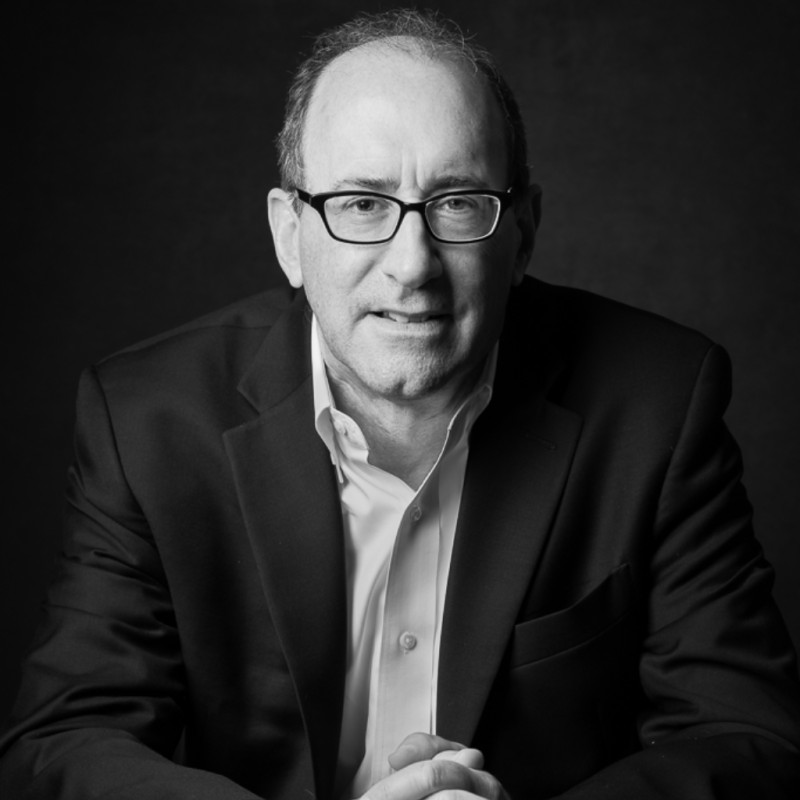
Steve Bass
Former President and CEO, Oregon Public Broadcasting
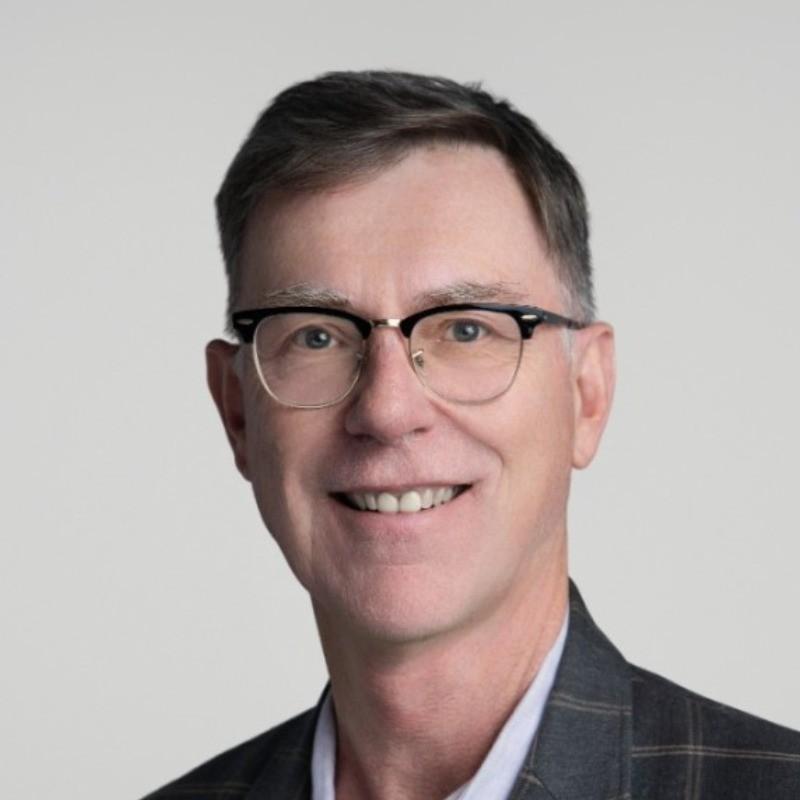
Tom Davidson
Donald P. Bellisario Professor of the Practice in Media Entrepreneurship and Innovation (and formerly of PBS and PBS North Carolina)
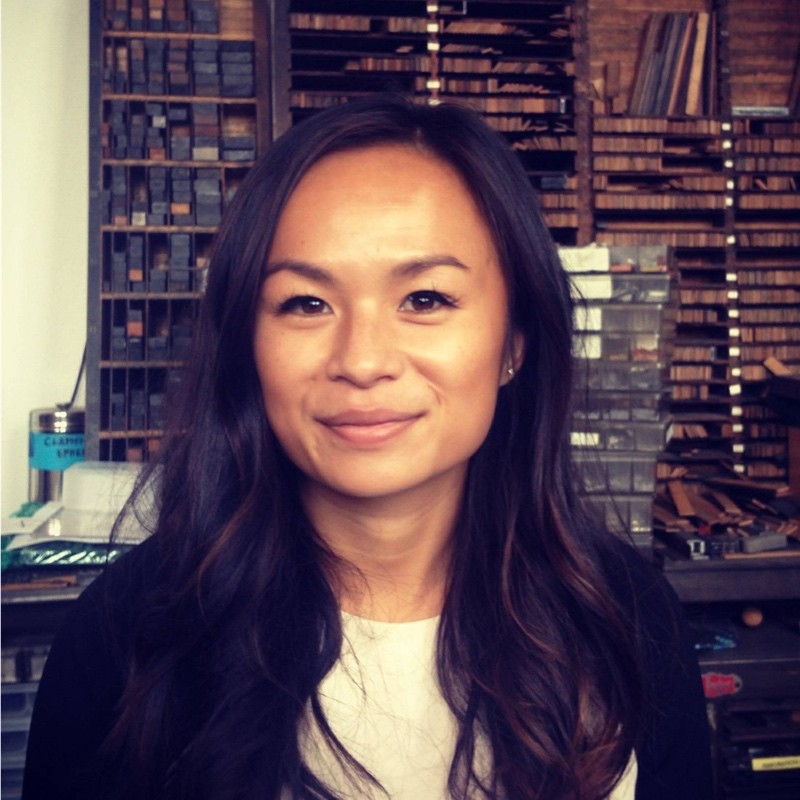
Nathalie Hill
Chief Audience Officer, KCRW
Amanda Mountain
President and CEO, Rocky Mountain Public Media
Kristen Muller
Former Chief Content Officer of the LAist (Southern California Public Radio)